In this article
Scroll through for expert advice, practical tips, and actionable guidance from our experienced team.
Winter in the South West of England brings a unique combination of challenges for property owners. While we don't typically experience the extreme cold of northern regions, our Atlantic-facing position means we're exposed to heavy rainfall, strong winds, salt spray, and persistent dampness that can cause significant damage to unprepared properties.
The good news is that most winter-related property damage is preventable with proper preparation. This comprehensive checklist covers every exterior aspect of your property — from roof to foundations — giving you a practical, actionable plan to protect your home before the worst of the weather arrives.
Why Winter Preparation Matters in Devon and Cornwall
Our South West climate is characterised by mild temperatures but high rainfall. Plymouth receives approximately 1,000mm of rain annually, with the heaviest months typically being October through January. Combined with strong Atlantic winds, this rainfall can be driving and persistent, exploiting any weaknesses in your property's exterior defences.
The key principle of winter property preparation is simple: prevent water from getting where it shouldn't be. Every item on this checklist addresses a potential water ingress point or a condition that winter weather will worsen.
1. Roof Inspection and Cleaning
Your roof is your property's primary defence against the elements, and autumn is the ideal time to ensure it's in optimal condition before winter storms arrive.
Visual inspection: From ground level (using binoculars if needed), check for cracked, slipped, or missing tiles. Pay particular attention to ridge tiles along the top of the roof and hip tiles along diagonal edges — the mortar pointing here is often the first thing to fail. Look for any areas where the roof line appears uneven, which could indicate structural movement or batten failure.
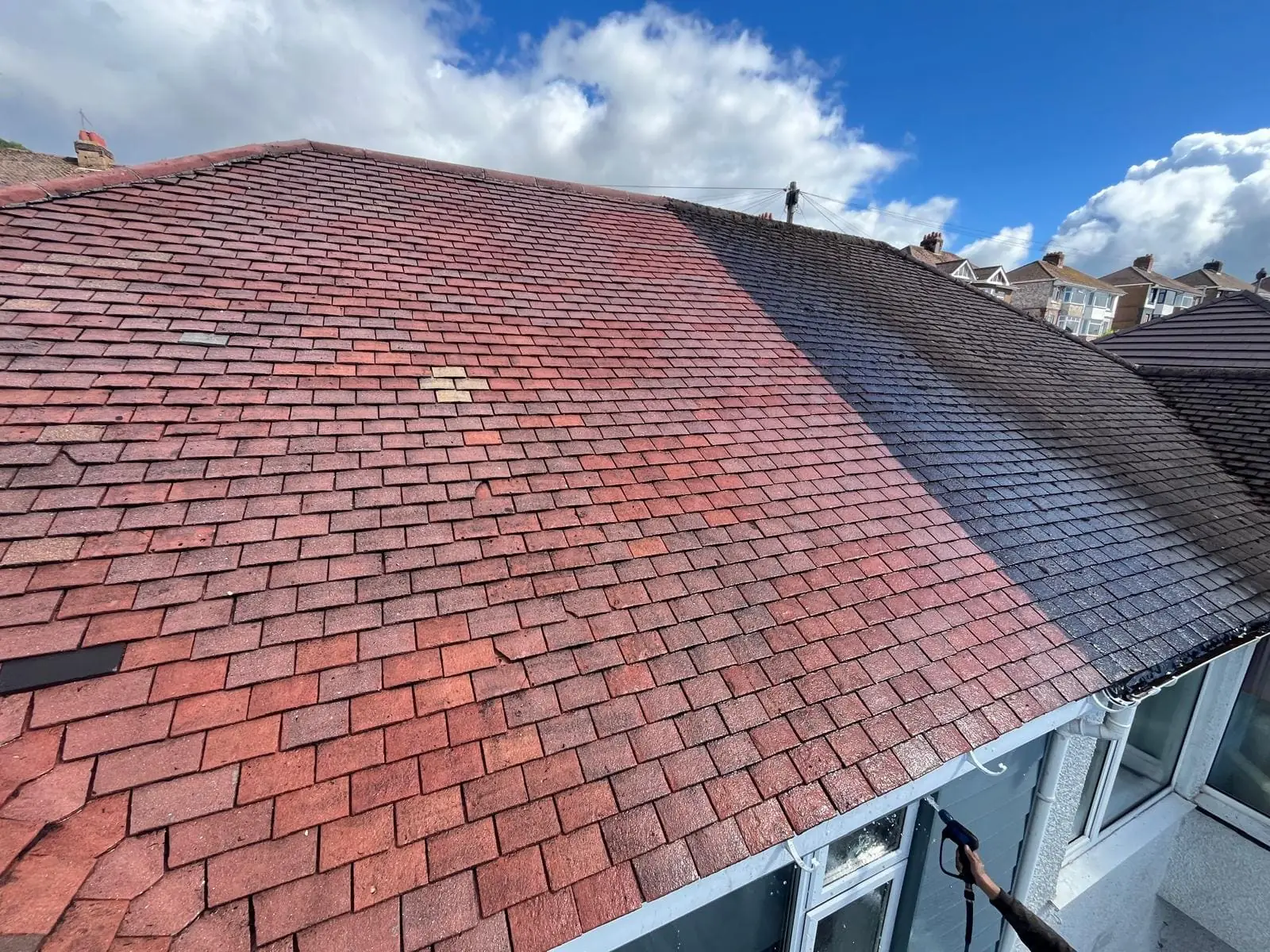
Moss removal: Heavy moss buildup retains moisture against your tiles throughout winter, accelerating freeze-thaw damage during cold snaps. While our winters are generally mild, temperatures in inland areas like Tavistock, Bodmin, and Liskeard regularly drop below freezing on clear nights. If your roof has significant moss coverage, autumn is the ideal time for professional roof cleaning.
Flashing check: Lead flashing around chimneys, vents, skylights, and wall abutments is crucial for waterproofing. Check for any that's lifted, cracked, or separated from the wall. Flashing repairs are relatively inexpensive but prevent very costly water damage if left unaddressed.
TV aerials and satellite dishes: Check that any roof-mounted equipment is securely fixed. Loose aerials or dishes become dangerous projectiles in high winds and can damage tiles when they move.
2. Gutter Clearing and Inspection
Gutters are arguably the most critical element of your winter preparation. A blocked gutter in summer is an inconvenience; a blocked gutter in winter is a serious threat to your property.
Full clearing: Have all gutters professionally cleaned to remove leaves, moss, and debris. As detailed in our gutter maintenance guide, the optimal time for this is November-December, after the main leaf fall. Ensure downpipes are flowing freely by testing with water.
Joint inspection: Check gutter joints for leaks. A dripping joint in autumn becomes a persistent problem in winter when rainfall is heaviest. UPVC joints with perished seals are inexpensive to repair.
Bracket security: Ensure all gutter brackets are firmly attached and the gutter maintains proper fall towards downpipes. Sagging sections hold standing water, adding weight that stresses remaining brackets — a problem that compounds over winter.
Underground drainage: If your downpipes connect to underground drainage, check that the connections are secure and that surface water drains are clear of debris. Blocked underground drainage defeats the purpose of clean gutters.
3. Wall and Render Maintenance
Your exterior walls take a tremendous beating during winter. Preparing them properly reduces the risk of water penetration and cosmetic damage.
Render inspection: Walk around your property and inspect rendered walls for cracks, chips, or areas where render has separated from the substrate (you can sometimes hear this as a hollow sound when tapped gently). Any openings in render allow water to penetrate and, during frost, expand and cause further damage.
Wall cleaning: Algae and organic growth on walls trap moisture against the surface and accelerate deterioration. Professional softwashing removes this growth and applies a biocide that protects the surface through winter. Autumn is the ideal time because the biocide has time to establish before the wettest months.
Pointing and mortar: For brick or stone walls, check the pointing between courses. Degraded pointing allows water to penetrate the wall structure, leading to damp and frost damage. Repointing affected areas before winter is a worthwhile investment.
Damp-proof course: Ensure that nothing is bridging your damp-proof course (DPC) — soil levels should be at least 150mm below the DPC line, and no render or cladding should extend below it. Bridged DPC is one of the most common causes of rising damp in older Devon and Cornwall properties.
4. Driveway and Hardstanding Preparation
Your driveway and paths need attention before winter to prevent damage and maintain safety.
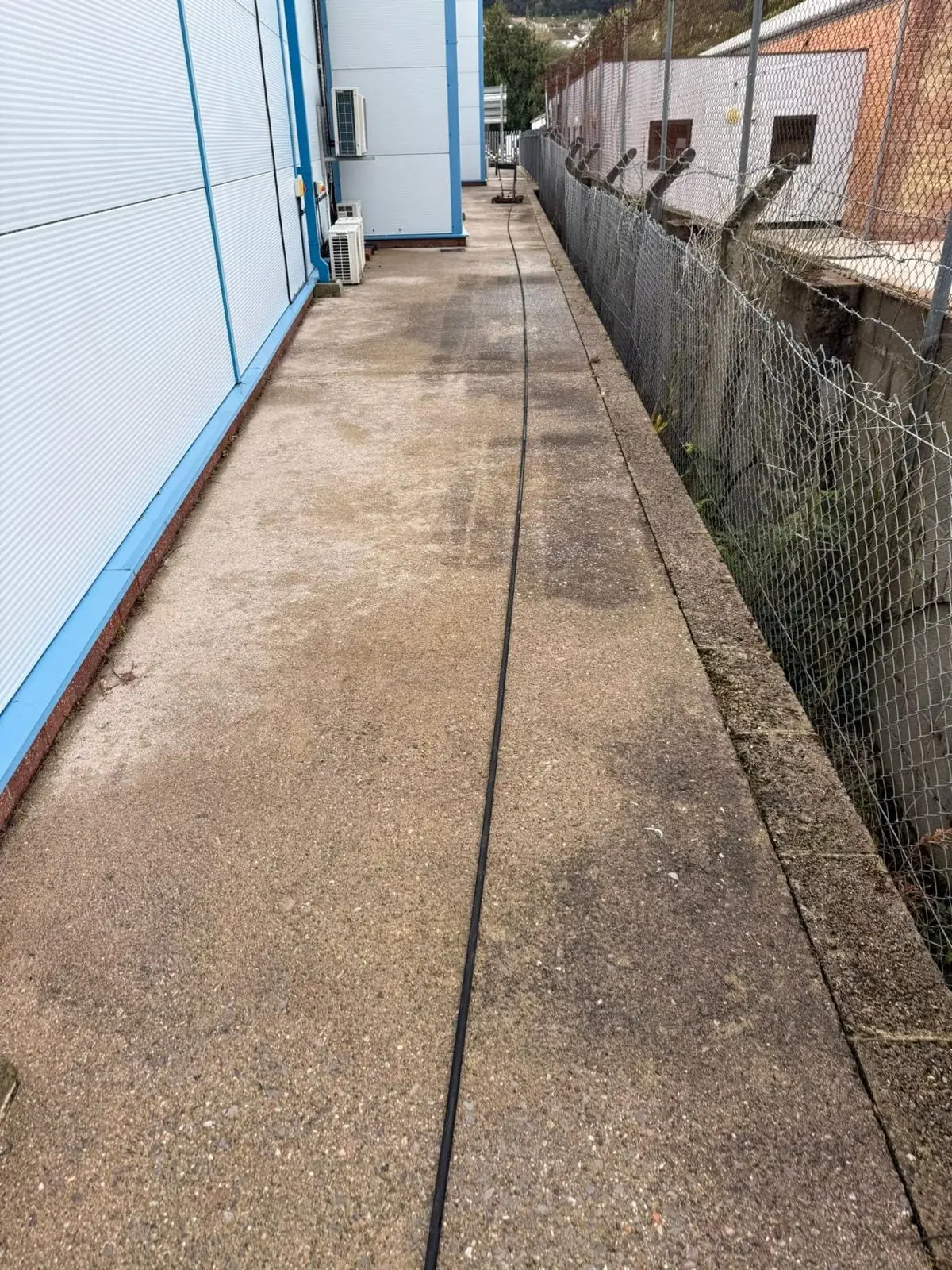
Algae and moss removal: Slippery surfaces become genuinely dangerous in winter when combined with rain, frost, and shorter daylight hours. Professional driveway cleaning with a post-treatment biocide dramatically reduces slip risk through winter.
Joint maintenance: For block paving, check that jointing sand levels are adequate. Depleted joints allow water to penetrate beneath the surface, destabilising the sub-base and causing paving to shift and sink — especially during the heavy winter rains we experience in the South West.
Drainage: Ensure all driveway drainage is clear and functioning. Standing water on driveways during cold snaps creates ice patches. Resin-bound surfaces should be checked for reduced permeability — if water is pooling rather than draining through, the pores need professional cleaning.
Crack repair: Any cracks in concrete or tarmac should be sealed before winter. Water entering cracks expands when it freezes, widening the crack and accelerating deterioration. Crack repair compounds are available from hardware stores and are easy to apply.
5. Timber Maintenance
External timber — including fences, gates, decking, window frames, and fascia boards — is particularly vulnerable to winter weather.
Fence and gate inspection: Check all fences for loose panels, broken posts, and deteriorated gravel boards. South West storms regularly bring gusts exceeding 60mph, which can destroy weakened fence sections. Secure any loose panels with additional screws or brackets, and replace rotten posts before they fail.
Decking treatment: Timber decking should be cleaned and treated with a suitable preservative or oil before winter. Untreated decking absorbs moisture throughout winter, accelerating rot and creating a dangerously slippery surface. Professional cleaning followed by treatment is the most effective approach.
Window and door frames: Check timber frames for peeling paint, cracks, or soft spots that indicate rot. Sound frames need fresh paint or varnish to protect them through winter; frames with rot need repair or replacement before water damage spreads.
Fascias and soffits: Timber fascias (the boards your gutters are fixed to) and soffits (the boards under your roof overhang) are exposed to persistent moisture. Check for soft spots, peeling paint, and evidence of animal or insect damage. Repair before winter to prevent water ingress into the roof space.
6. External Drainage and Ground Maintenance
Proper drainage around your property is essential for preventing winter water damage.
Clear all drains and gulleys: Ensure all surface water drains, gulleys, and channel drains around your property are clear of leaves, dirt, and debris. Blocked drains cause surface flooding that can enter your property through doors, air bricks, and other low-level openings.
Check soakaways: If your property relies on soakaways for rainwater disposal, ensure they're functioning correctly. Slow-draining soakaways cause waterlogging around foundations. If soakaways are struggling, consider professional assessment and servicing.
Ground levels: Ensure that ground levels around your property slope away from the building, not towards it. Over time, garden maintenance and general ground movement can alter levels, directing surface water towards walls and foundations.
Tree management: Trim any branches that overhang your roof or touch your walls. Winter storms can break branches, damaging tiles, gutters, and walls. Dead or unstable trees near your property should be assessed by an arborist before winter.
7. Windows, Doors, and Seals
The seals around windows and doors are your final barrier against water and draughts.
Sealant inspection: Check the external sealant (usually silicone or mastic) around all windows and doors. Perished or cracked sealant allows water to penetrate behind frames, causing hidden damp and timber decay. Re-sealing is straightforward and inexpensive — a tube of exterior-grade silicone sealant costs under £10.
Weather stripping: Check the rubber or brush seals around opening windows and doors. These compress and deteriorate over time, allowing draughts and rain penetration. Replacement strips are widely available and easy to fit.
Threshold drainage: Ensure that water can drain away from door thresholds. Blocked threshold drainage channels allow water to pool against the door seal, eventually finding its way inside during heavy rain.
8. Outbuildings and Garden Structures
Don't forget about sheds, garages, greenhouses, and other garden structures.
Shed and garage roofs: Felt roofs on sheds and flat-roofed garages deteriorate quickly in the South West climate. Check for splits, bubbles, and areas where felt has pulled away from edges. Roof felt repair tape provides a quick fix, but damaged felt should be replaced at the earliest opportunity.
Greenhouse glass: Replace any cracked or missing panes before winter storms. A single missing pane allows wind to enter, which can blow out other panes from the inside, destroying the structure.
Secure loose items: Garden furniture, trampolines, bins, and other loose items become projectiles in high winds. Secure or store anything that could be blown into your property or your neighbours' property.
9. Lighting and Safety
Winter's shorter days mean you'll be arriving home and leaving in darkness for several months.
External lighting: Ensure all exterior lights are working correctly. Replace bulbs, clean covers, and check sensors on motion-activated lights. Adequate lighting helps you see potential hazards (ice, standing water, debris) and deters burglars.
Path and step safety: Algae-covered steps and paths are particularly dangerous in winter. Professional pressure washing with a biocide treatment ensures these surfaces remain safe throughout the darker, wetter months.
De-icing supplies: Stock up on grit salt for icy mornings. Keep some by your front door and in your car for convenience. Remember that salt damages some surfaces (natural stone, grass borders) — use it only where needed and in moderation.
Your Winter Preparation Summary Checklist
Print this summary and work through it systematically:
☐ Roof: Inspect tiles, ridges, flashing; remove moss if significant
☐ Gutters: Clear, check joints and brackets; test downpipes
☐ Walls: Inspect render, clean algae, check pointing and DPC
☐ Driveways: Clean, re-sand joints, clear drainage, repair cracks
☐ Timber: Treat decking, inspect fences, check frames and fascias
☐ Drainage: Clear drains, check soakaways, verify ground slopes
☐ Windows/Doors: Check seals, weather strips, threshold drainage
☐ Outbuildings: Inspect roofs, replace glass, secure loose items
☐ Safety: Check lighting, clean paths, stock de-icing salt
Let Us Help You Prepare
At Scrub & Shine Southwest, we offer comprehensive autumn property preparation services that cover many items on this checklist. Our winter preparation package includes gutter clearing, roof inspection, driveway cleaning with biocide treatment, and wall softwashing — all completed in a single visit for maximum convenience and value.
Serving Plymouth, Devon, Cornwall, and the wider South West, we have 9 years of experience helping homeowners protect their properties from our challenging climate. Get in touch today for a free winter preparation quote.
Need Professional Help?
Get a free, no-obligation quote from our experienced team. We cover Plymouth, Devon, and Cornwall.