In this article
Scroll through for expert advice, practical tips, and actionable guidance from our experienced team.
When it comes to exterior cleaning, two methods dominate the industry: pressure washing and softwashing. Both are effective, but they serve very different purposes and suit different surfaces. Choosing the wrong method can result in damage to your property, wasted money, and disappointing results.
In this guide, we'll explain exactly how each method works, when to use which, and help you make an informed decision about the best approach for your specific property. Whether you have a rendered home in Plymouth, a block paving driveway in Saltash, or a commercial building in Exeter, understanding these two techniques will save you time, money, and hassle.
What Is Pressure Washing?
Pressure washing — also known as power washing — uses high-pressure water to blast dirt, grime, moss, algae, and stains from hard surfaces. Professional equipment typically operates at 3,000-4,000 PSI (pounds per square inch), delivering a concentrated stream of water that physically removes contaminants from the surface.
The key principle behind pressure washing is mechanical force. The water hits the surface with enough energy to dislodge even deeply embedded dirt and organic growth. This makes it incredibly effective on hard, durable surfaces that can withstand the impact.
Professional pressure washing equipment differs significantly from the domestic machines available at hardware stores. Commercial machines deliver higher pressure at greater volume (measured in litres per minute), use heated water for enhanced cleaning power, and are paired with specialist attachments like rotary flat surface cleaners that provide even, streak-free results.
Surfaces Ideal for Pressure Washing
Pressure washing is the gold standard for cleaning hard, non-porous or minimally porous surfaces. These include:
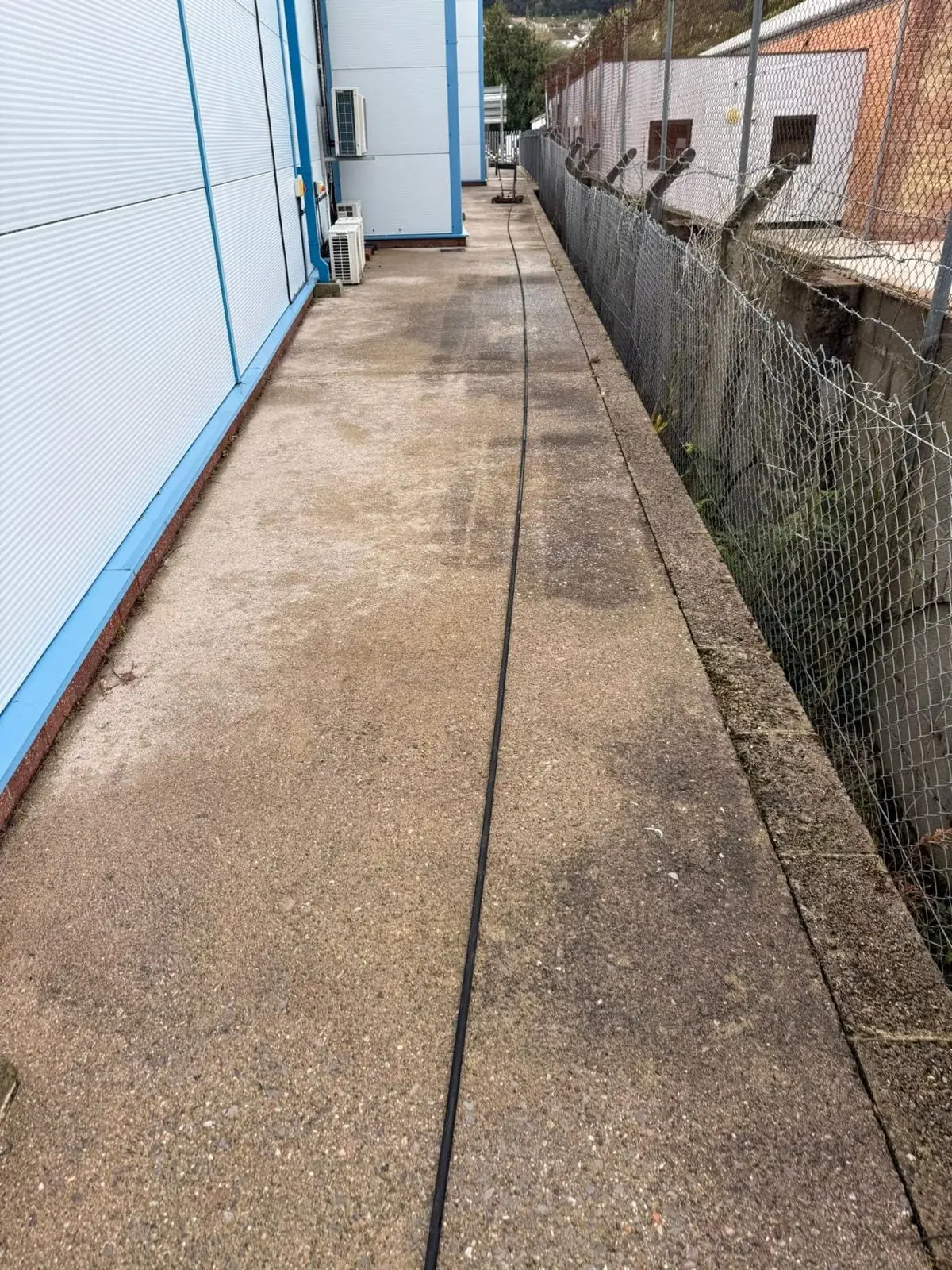
Concrete driveways and paths: Concrete is dense and durable enough to handle high-pressure cleaning without damage. Pressure washing effectively removes oil stains, tyre marks, and years of accumulated grime from concrete surfaces.
Block paving: Professional pressure washing with a flat surface cleaner is the most effective way to clean block paving, removing moss, weeds, and dirt from both the surface and joints. Combined with re-sanding, it restores block paving to near-original condition.
Natural stone paving: Most natural stone — including Indian sandstone, granite, and slate — responds well to pressure washing when done correctly. However, pressure levels must be adjusted for softer stones, and the correct nozzle type is essential.
Tarmac and asphalt: These surfaces can be pressure washed, but require careful technique. Lower pressure settings and wider spray patterns prevent damage to the bitumen binder. Professional cleaners adjust their approach based on the tarmac's age and condition.
What Is Softwashing?
Softwashing takes a fundamentally different approach. Instead of relying on mechanical force, softwashing uses specially formulated, biodegradable cleaning solutions applied at very low pressure — typically no more than 100 PSI, or roughly the pressure of a garden hose.
The cleaning solution does the heavy lifting. Professional softwash solutions contain surfactants that break down organic matter, biocides that kill algae, moss, and lichen at the cellular level, and stabilisers that keep the solution active on vertical surfaces long enough to work effectively.
After application, the solution is left to dwell for a specific period (usually 15-30 minutes, depending on the severity of contamination), then gently rinsed away with low-pressure water. The biocide continues working for weeks after application, meaning results actually improve over time as dead organic matter is washed away by natural rainfall.
Surfaces Ideal for Softwashing
Softwashing is specifically designed for surfaces that would be damaged by high-pressure water. These include:
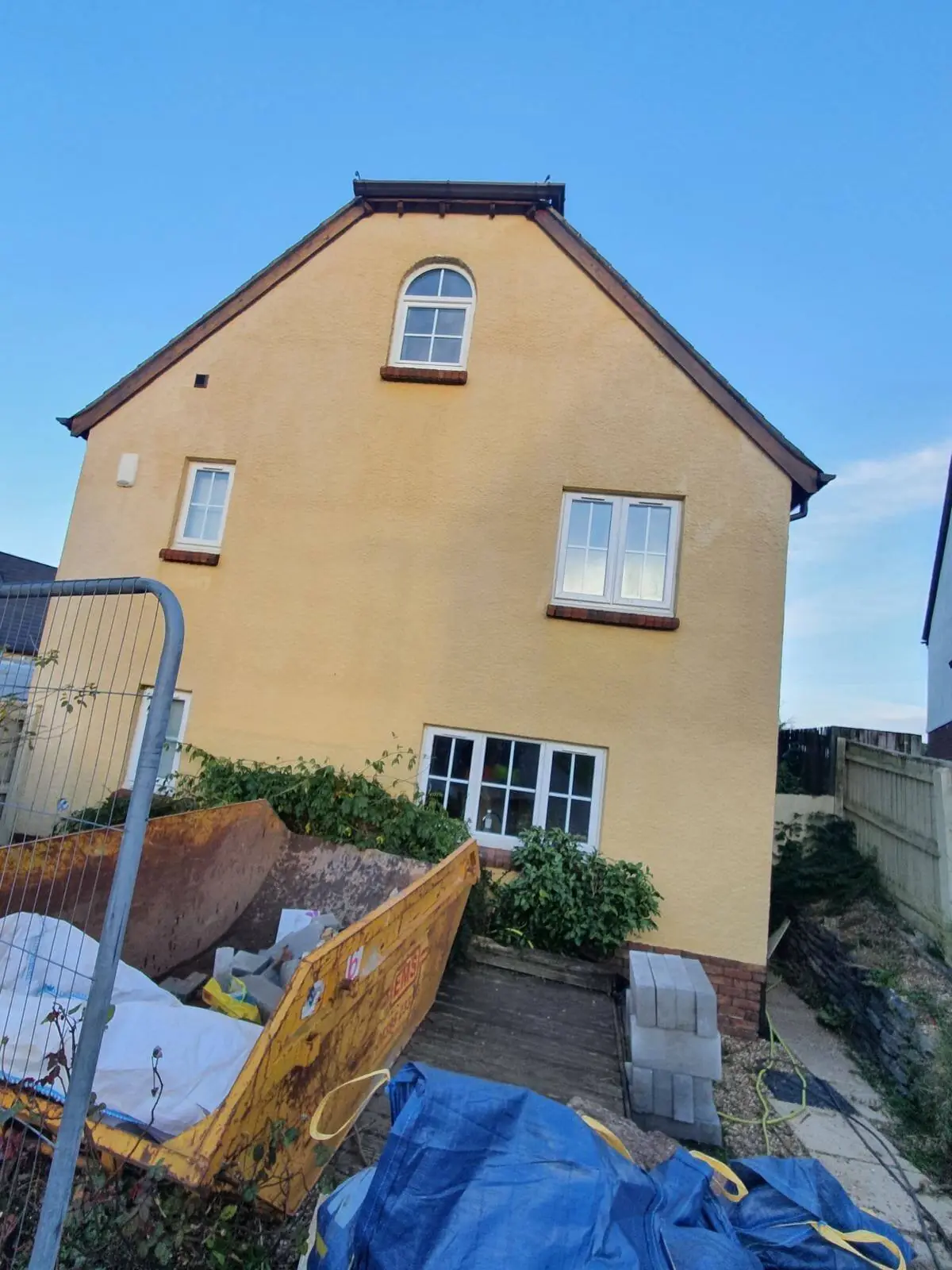
K-render (pebble-dash, monocouche): Rendered walls are extremely common across Devon and Cornwall. High-pressure washing blasts the aggregate out of render, causing permanent damage and creating an uneven surface that attracts more dirt. Softwashing cleans render safely and effectively, restoring the original colour without any surface damage. This is by far the most common use of softwashing in Plymouth.
Painted surfaces: Pressure washing strips paint rapidly. Softwashing cleans painted render, woodwork, and fencing without affecting the paint finish.
UPVC cladding and fascias: While UPVC is durable, high pressure can crack panels, force water behind joints, and even blow panels off their fixings. Softwashing provides a thorough clean without any risk of damage.
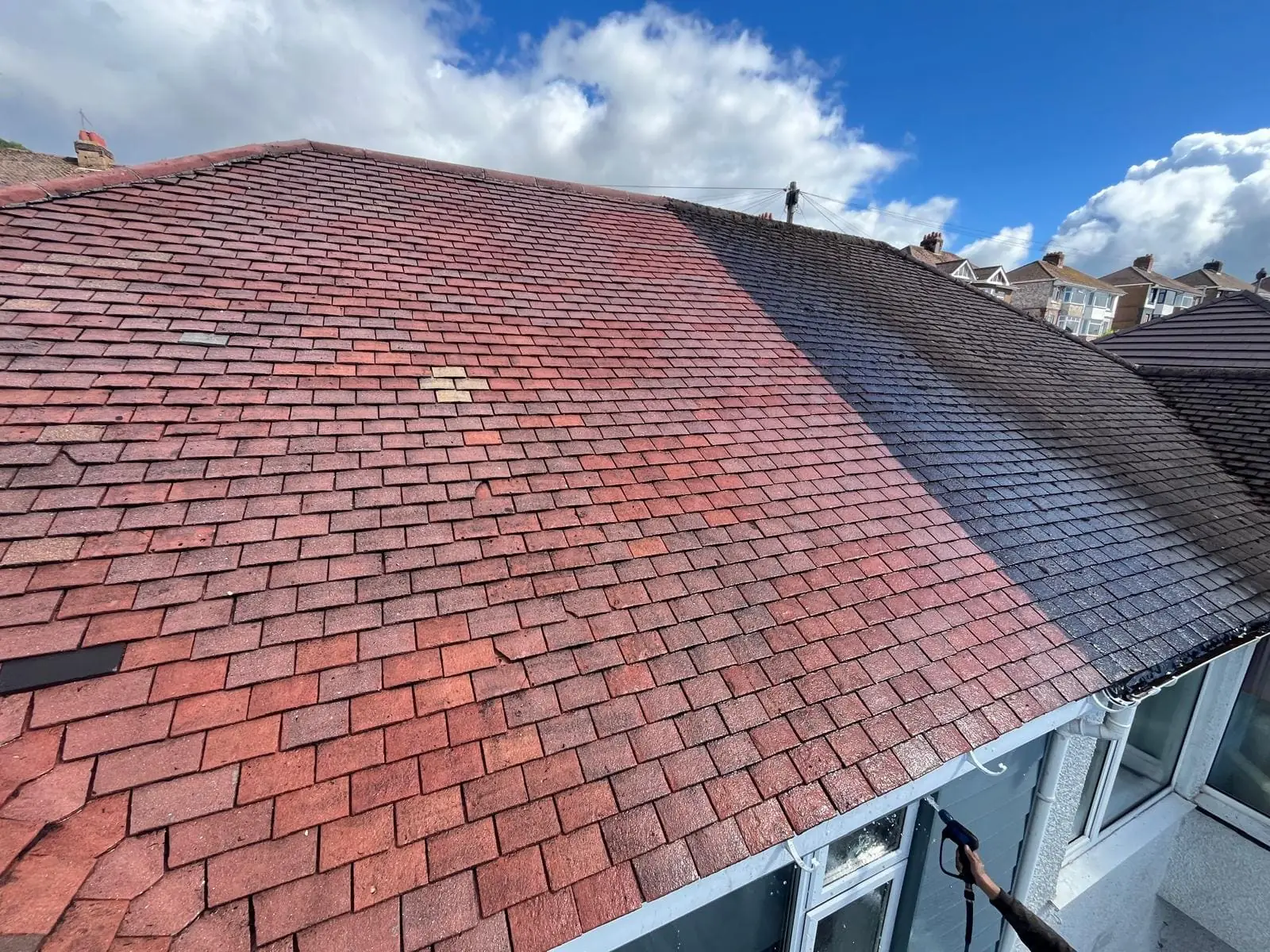
Roof tiles: As we discussed in our article on roof cleaning in Devon and Cornwall, high-pressure washing damages roof tiles, strips protective coatings, and forces water beneath tile overlaps. Softwashing is the safest and most effective method for roof cleaning.
Timber decking and fencing: Wood fibres are easily damaged by high pressure, which raises the grain, creates a rough surface, and can split boards. Softwashing cleans timber gently while the biocide component kills embedded mould and algae.
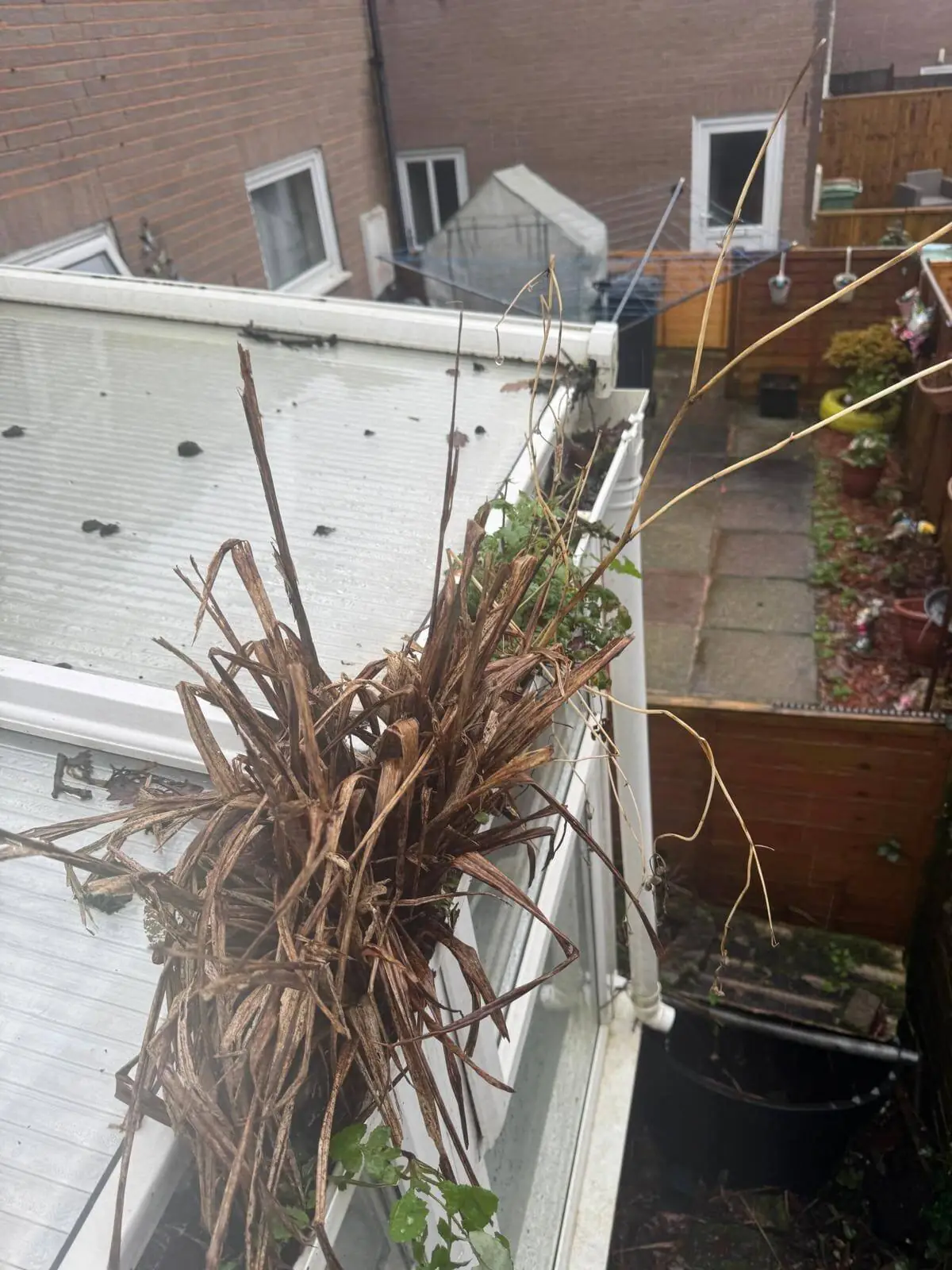
Conservatory roofs: Whether polycarbonate or glass, conservatory roofs are delicate structures that require the gentle touch of softwashing. High pressure risks cracking panels or damaging seals.
Direct Comparison: Pressure Washing vs Softwashing
To make this clearer, let's compare the two methods across several important criteria:
Cleaning power: Both methods deliver excellent results when used on the correct surfaces. Pressure washing excels at removing physical contamination (mud, dirt, tyre marks, oil). Softwashing excels at removing biological contamination (algae, moss, lichen, mould).
Speed: Pressure washing typically provides instant results — the surface looks clean immediately after washing. Softwashing shows immediate improvement, but full results develop over 2-6 weeks as dead organic matter is gradually washed away by rain.
Longevity: This is where softwashing has a significant advantage. Because softwash solutions kill organisms at the root level and leave a residual biocide, results last significantly longer — typically 2-3 years compared to 1-2 years for pressure washing alone. Pressure washing removes surface growth but doesn't kill the root systems, meaning regrowth occurs faster.
Risk of damage: Pressure washing carries inherent risk when used on inappropriate surfaces. In the wrong hands, it can damage render, strip paint, crack tiles, and gouge timber. Softwashing carries virtually no risk of physical damage when applied correctly.
Environmental impact: Professional softwash solutions are biodegradable and break down rapidly after application. Pressure washing uses significantly more water — a typical driveway clean uses 500-1,000 litres of water, while softwashing the same area might use 100-200 litres.
Cost: Pricing is generally similar for both methods, though softwashing can be slightly higher due to the cost of specialist cleaning solutions. However, the longer-lasting results mean softwashing often provides better value per year of cleanliness.
Common Mistakes Homeowners Make
Understanding the differences between these methods helps you avoid costly mistakes. Here are the most common errors we see:
Pressure washing rendered walls: This is by far the most common and most damaging mistake. We regularly receive calls from homeowners who've hired an inexperienced operator who's pressure washed their K-render or monocouche render, blasting out the aggregate and creating a patchy, rough surface that's impossible to restore without re-rendering. The cost of re-rendering a typical house — £5,000 to £15,000 — dwarfs the cost of a proper softwash.
Using domestic pressure washers on everything: Domestic pressure washers seem like a convenient solution, but they typically deliver inconsistent results (leaving stripe marks), take much longer than professional equipment, and tempt homeowners to use them on unsuitable surfaces. The money spent buying a domestic pressure washer is often better invested in a single professional clean that delivers superior results.
Using bleach as a softwash substitute: Household bleach (sodium hypochlorite at 3-5% concentration) is sometimes used as a cheap alternative to professional softwash solutions. While it does kill algae, it also kills surrounding plants, stains surfaces, corrodes metal fixings, and lacks the surfactants needed for effective cleaning. Professional softwash solutions are specifically formulated for exterior cleaning and are far more effective and safer.
Ignoring the surface type: The most important decision in exterior cleaning is matching the method to the surface. Before any cleaning begins, a professional should assess the surface material, its condition, and the type of contamination present. This assessment determines whether pressure washing, softwashing, or a combination of both is appropriate.
When You Need Both Methods
Most properties benefit from a combination of both pressure washing and softwashing. A typical whole-property clean might include:
Pressure washing: Driveway, patio, paths, steps, and any hard landscaping surfaces. These are the areas that benefit from the mechanical cleaning power of high-pressure water.
Softwashing: Walls, render, cladding, fascias, soffits, conservatory roof, timber decking, and fencing. These are the areas that require the gentle, chemical approach of softwashing.
Combining both methods in a single visit is the most cost-effective approach, as it eliminates duplicate setup and travel costs. Many professional cleaning companies — including ourselves at Scrub & Shine Southwest — offer comprehensive packages that include both methods tailored to each area of your property.
How to Choose the Right Cleaning Professional
Whether you need pressure washing, softwashing, or both, choosing the right professional is crucial. Here's what to look for:
Method knowledge: A competent professional should be able to explain which method they'll use on each surface and why. If someone proposes pressure washing your rendered walls, walk away.
Insurance: Ensure the operator has public liability insurance (minimum £2 million) and, if they'll be working at height, employer's liability insurance. Ask for proof — any reputable company will be happy to provide it.
Reviews and references: Check Google reviews, Facebook reviews, and ask for examples of previous work. Established companies will have a track record you can verify.
Equipment: Professional companies use commercial-grade equipment. Ask what pressure washer they use (look for brands like Karcher HD/HDS, Nilfisk, or Interpump), whether they have a flat surface cleaner (essential for streak-free driveway results), and what softwash system they use.
Post-treatment: The best results come from cleaning followed by treatment. Ask whether biocide application and post-treatment are included in the quoted price.
Making Your Decision
The question isn't really "softwashing vs pressure washing" — it's "which method is right for which surface?" Both techniques are valuable tools that serve different purposes. The key is matching the method to the material.
If you're unsure which approach your property needs, the simplest solution is to ask a professional. At Scrub & Shine Southwest, we offer free property assessments across Plymouth, Devon, and Cornwall. We'll inspect your property, explain which method is appropriate for each surface, and provide a clear, honest quote with no obligation.
Contact us today to arrange your free assessment, or call us on 07576 543095 to discuss your requirements.
Need Professional Help?
Get a free, no-obligation quote from our experienced team. We cover Plymouth, Devon, and Cornwall.