In this article
Scroll through for expert advice, practical tips, and actionable guidance from our experienced team.
Your driveway is one of the first things visitors notice about your home. It's also one of the most heavily used surfaces on your property — exposed to vehicle traffic, foot traffic, the elements, and organic growth year-round. Yet despite this constant wear, many homeowners overlook driveway maintenance until the surface is visibly stained, slippery, or deteriorating.
So how often should you actually clean your driveway? The answer depends on several factors, including the material, your local climate, surrounding vegetation, and how much use it gets. In this comprehensive guide, we'll cover everything you need to know about driveway cleaning frequency and maintenance — especially if you live in the South West of England, where our wet, mild climate creates perfect conditions for algae, moss, and lichen.
Why Regular Driveway Cleaning Matters
Before we discuss how often to clean, it's important to understand why it matters. Regular driveway cleaning isn't just about aesthetics — though a clean driveway undeniably boosts your home's kerb appeal. There are practical and financial reasons too.
Prevents surface damage: Organic growth like moss, algae, and lichen doesn't just sit on the surface — it penetrates into pores and joints. Over time, this causes pitting, cracking, and structural weakening. On block paving, weeds push jointing sand apart, destabilising the entire surface. On concrete and tarmac, algae creates acidic conditions that eat into the material.
Reduces slip hazards: Wet algae and moss create dangerously slippery surfaces. In the South West, where we experience over 1,000mm of rainfall annually, this is a genuine safety concern — particularly during autumn and winter months. A clean driveway is a safer driveway for your family, visitors, and even delivery drivers.
Protects property value: Research consistently shows that exterior cleanliness significantly impacts perceived property value. Estate agents in Plymouth and across Devon regularly advise sellers to pressure wash their driveways before listing. A well-maintained driveway can contribute to a 5-10% increase in overall kerb appeal valuation.
Saves money long-term: Replacing a block paving driveway costs anywhere from £3,000 to £12,000 depending on size and materials. Regular cleaning, by contrast, typically costs £150-£400. Prevention is far cheaper than replacement.
How Often Should You Clean Your Driveway?
As a general rule, we recommend having your driveway professionally cleaned at least once per year. However, the optimal frequency varies based on your specific circumstances. Here's a more detailed breakdown:
Block Paving Driveways
Block paving is incredibly popular across Plymouth, Saltash, Plympton, and the surrounding areas. It looks fantastic when clean but is particularly susceptible to weed growth, moss accumulation, and ant nest infestations between the joints.
Recommended frequency: Every 12-18 months. Block paving benefits enormously from professional cleaning because it allows the jointing sand to be topped up and the surface re-sealed if needed. If your driveway is north-facing or shaded by trees, consider cleaning every 12 months rather than 18.
Between professional cleans, sweep your block paving regularly with a stiff brush to prevent organic matter building up. Pull any weeds as soon as they appear — they're much easier to manage when small. Avoid using household bleach or salt solutions, as these can cause discolouration and damage the sand between blocks.
Concrete Driveways
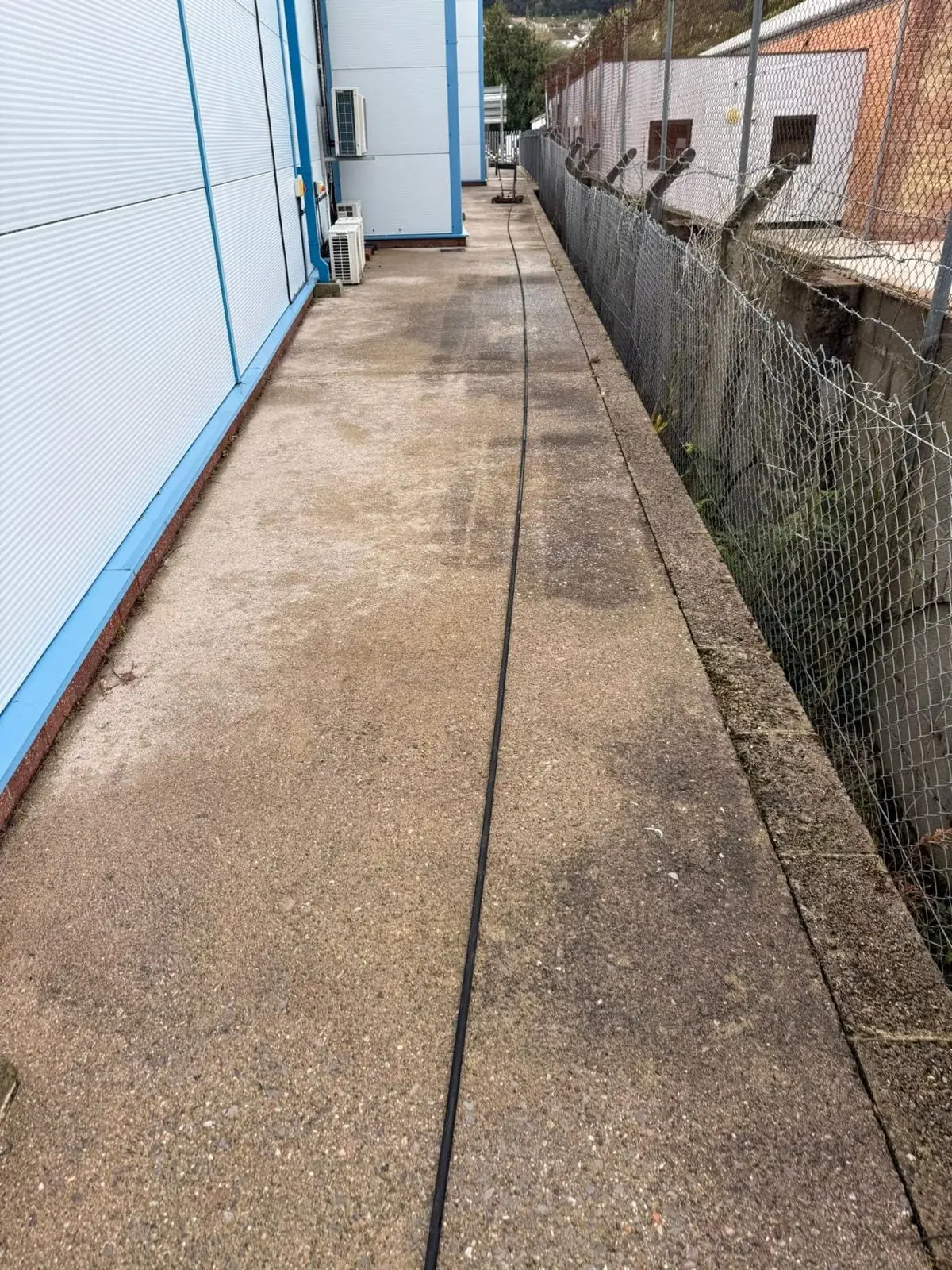
Concrete is durable and relatively low-maintenance, but it's highly porous — meaning it absorbs stains from oil, tyre marks, and organic matter readily. Once algae gets established on concrete, it can be very stubborn to remove without professional equipment.
Recommended frequency: Every 12-24 months. Concrete driveways in sheltered, shaded positions will need more frequent attention. Those in open, south-facing positions may only need cleaning every two years. Oil stains should be addressed promptly — the longer they sit, the deeper they penetrate.
Tarmac and Asphalt Driveways
Tarmac requires careful treatment. High-pressure washing at incorrect settings can damage the surface, lifting the aggregate and creating pitting. This is why professional cleaning is particularly important for tarmac driveways.
Recommended frequency: Every 18-24 months. Between professional cleans, keep tarmac free of standing water and debris. Address any fuel or oil spills immediately, as petroleum products dissolve the bitumen binder in tarmac.
Resin-Bound Driveways
Resin-bound surfaces are becoming increasingly popular in Devon and Cornwall. They're permeable, attractive, and relatively easy to maintain. However, the tiny pores can become clogged with dirt and organic matter over time, reducing their drainage capability.
Recommended frequency: Every 12-18 months. Regular sweeping and occasional rinsing with a garden hose helps maintain permeability between professional cleans. Avoid using a domestic pressure washer on resin-bound surfaces, as incorrect pressure or technique can dislodge the aggregate.
Natural Stone Driveways
Indian sandstone, granite setts, limestone, and other natural stone driveways are beautiful but require careful maintenance. Different stones have different porosities and react differently to cleaning chemicals.
Recommended frequency: Every 12 months. Natural stone benefits from professional cleaning because specialists understand which treatments work best for each stone type. Using the wrong chemicals on limestone, for example, can cause permanent etching and discolouration.
Warning Signs Your Driveway Needs Cleaning Now
Regardless of your regular maintenance schedule, certain signs indicate your driveway needs immediate attention:
Green or black discolouration: Green patches indicate algae growth, while black staining suggests a combination of algae, pollution deposits, and mould. Both create slippery surfaces and cause surface damage if left untreated.
Visible moss growth: Unlike algae, moss is three-dimensional — it builds up in cushion-like patches that trap moisture against the surface. Moss in paving joints is particularly destructive, as it forces blocks apart and undermines structural integrity.
Weed growth between joints: Weeds indicate that the jointing sand has been displaced or washed out. Once weeds establish root systems in paving joints, they accelerate deterioration significantly. Professional cleaning removes weeds completely and allows re-sanding.
Standing water or poor drainage: If water pools on your driveway after rain, it suggests that pores are blocked with dirt and organic matter. This is especially common on resin-bound and block paving surfaces. Professional cleaning restores drainage performance.
Slippery surface when wet: This is a clear safety hazard that requires immediate action. If your driveway becomes slippery in wet conditions, algae and biofilm have built up to dangerous levels.
The South West Climate Factor
Living in Devon and Cornwall means dealing with a unique climate that directly impacts driveway maintenance requirements. Our mild, wet winters and relatively humid summers create ideal conditions for organic growth.
Plymouth receives approximately 1,000mm of rainfall annually, spread fairly evenly throughout the year. Combined with our mild temperatures (rarely dropping below freezing for extended periods), this means algae, moss, and lichen grow faster and more aggressively here than in drier regions of the UK.
Properties near the coast face additional challenges from salt spray and mineral-laden moisture, which can cause efflorescence on concrete and natural stone surfaces. Coastal properties in areas like Wembury, Downderry, and Torpoint typically need more frequent cleaning.
Tree coverage is another significant factor. Properties near mature deciduous trees experience heavy leaf fall in autumn, which creates a damp, organic blanket over the driveway surface. This accelerates moss and algae growth dramatically. If your property has significant tree coverage — common in areas like Tavistock, Ivybridge, and Cornwood — you may need to clean more frequently.
DIY vs Professional Driveway Cleaning
While regular sweeping and basic maintenance can be done yourself, there are compelling reasons to choose professional driveway cleaning for your annual or biannual deep clean.
Equipment matters: Professional pressure washing equipment operates at 3,000-4,000 PSI with flat surface cleaners that provide even, streak-free results. Domestic pressure washers typically operate at 1,400-2,000 PSI and use lance attachments that leave visible cleaning marks — the familiar "zebra stripe" effect.
Knowledge of surfaces: Different surfaces require different pressures, nozzle types, and cleaning solutions. Using incorrect settings can cause permanent damage — particularly on softer surfaces like natural stone, resin-bound, and tarmac. Professional cleaners understand these nuances.
Post-treatment protection: Professional services typically include post-cleaning treatments such as biocide application to inhibit regrowth, re-sanding of block paving joints, and optional sealing. These treatments extend the time between cleans and provide better long-term value.
Water management: Professional cleaners manage wastewater appropriately. In many areas, allowing contaminated runoff to enter storm drains is against regulations. Professional services contain and manage wastewater responsibly.
How to Maintain Your Driveway Between Professional Cleans
To maximise the time between professional cleaning sessions, follow these maintenance tips:
Sweep regularly: A weekly sweep with a stiff outdoor broom removes leaves, dirt, and debris before they decompose and create organic growth. This single habit makes the biggest difference to long-term driveway condition.
Address spills promptly: Oil, fuel, paint, and food spills should be cleaned up as quickly as possible. For oil stains, apply cat litter or an absorbent material immediately, leave for several hours, then sweep up. For stubborn stains, a specialist degreaser may be needed.
Keep drainage clear: Ensure that drains, gulleys, and channel drainage along your driveway remain clear of debris. Blocked drainage causes standing water, which accelerates surface deterioration and organic growth.
Trim overhanging vegetation: Trees, hedges, and shrubs that overhang your driveway create shade and deposit organic matter. Keeping vegetation trimmed back improves air circulation and sunlight exposure, naturally inhibiting moss and algae growth.
Treat weeds early: Remove weeds as soon as they appear. Small weeds pull out easily; established weeds have deep root systems that damage paving joints. A crack weeder tool is inexpensive and very effective for regular maintenance.
Cost of Professional Driveway Cleaning in Plymouth
Professional driveway cleaning prices in the Plymouth and South West area typically range from £3 to £6 per square metre, depending on the surface type, condition, and any additional treatments required. For a typical domestic driveway of 30-50 square metres, expect to pay between £150 and £350.
This price usually includes pre-treatment with a biocide or cleaning solution, pressure washing with commercial-grade equipment, weed and moss removal, and post-treatment to inhibit regrowth. Re-sanding of block paving and sealing are sometimes offered as additional services.
When comparing quotes, ensure you're comparing like-for-like. The cheapest quote isn't always the best value — check what's included, what equipment is used, and whether post-treatment is part of the service. A thorough professional clean with post-treatment will last significantly longer than a basic pressure wash.
Conclusion: Create a Driveway Maintenance Schedule
The key to a clean, safe, long-lasting driveway is consistency. Based on your surface type and local conditions, create a simple maintenance schedule:
Weekly: Sweep leaves and debris. Remove any visible weeds. Address spills immediately.
Monthly: Check drainage is clear. Trim overhanging vegetation. Inspect for any damage or movement in paving.
Annually (or as recommended): Schedule a professional pressure wash with post-treatment. This is the single most impactful maintenance task you can do for your driveway.
If you're in Plymouth, Devon, Cornwall, or anywhere across the South West and would like a free, no-obligation quote for professional driveway cleaning, get in touch with our team. With 9 years of experience and over 109 five-star Google reviews, we'll have your driveway looking brand new.
Need Professional Help?
Get a free, no-obligation quote from our experienced team. We cover Plymouth, Devon, and Cornwall.